Table of contents
Travelers today seek much more than just a place to rest; they desire an immersive experience that combines comfort with authenticity. The world of 3-star accommodations has evolved, blending modern conveniences with local culture to offer guests a unique and memorable stay. Dive into the following sections to uncover how these hotels achieve the perfect harmony between contemporary luxury and rich tradition, making every visit both comfortable and culturally enriching.
Blending comfort with tradition
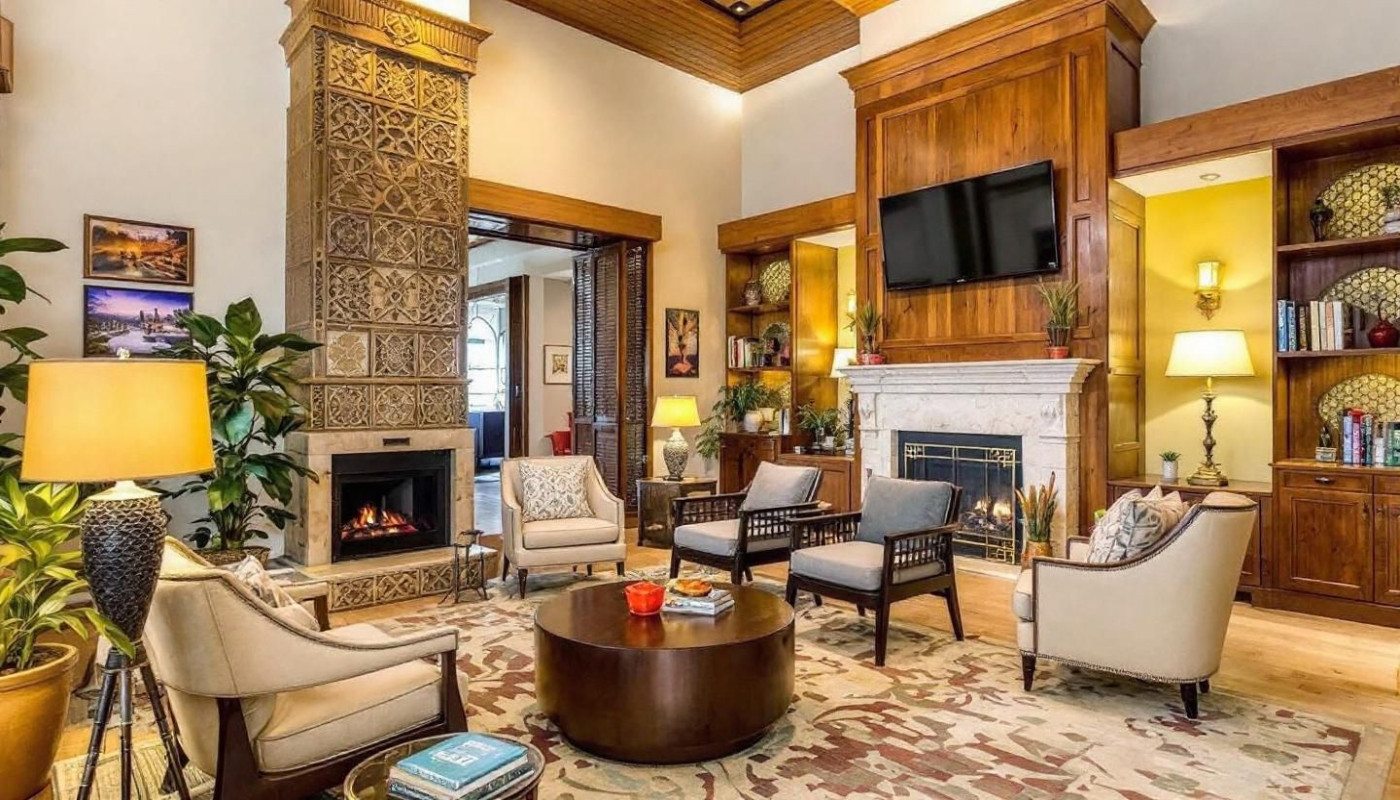
3-star hotels have become adept at blending modern amenities with the charm of local heritage, ensuring that guests enjoy both convenience and an authentic experience. Adaptive reuse stands at the forefront of this evolution, allowing existing historic structures to be repurposed while integrating practical features such as Wi-Fi, climate control, and updated bathrooms. This seamless mix is often highlighted through the use of cultural decor: handcrafted furnishings, traditional artwork, and locally inspired color palettes are expertly combined with contemporary comforts. Such thoughtful integration appeals to guests seeking accommodation that reflects the spirit of a region without sacrificing the expectations of modern travel.
Striking the right balance between functionality and tradition ensures that travelers have access to all the modern amenities necessary for a pleasant stay, while still being immersed in the unique culture of their destination. In 3-star hotels, elements like locally sourced materials, regional cuisine, and staff trained in local customs elevate the overall ambiance, creating a distinctive yet practical environment. These intentional design choices not only preserve but celebrate the identity of a place, offering visitors a richer, more engaging stay that resonates with the evolving standards of contemporary hospitality.
Showcasing local craftsmanship
Three-star accommodations are increasingly prioritizing local craftsmanship as a defining feature of the guest experience, seamlessly integrating regional art and vernacular architecture to reinforce cultural identity. By sourcing sustainable materials from nearby communities, these hotels often display handcrafted textiles, indigenous artworks, and bespoke furniture in both guest rooms and public spaces. Artisans skilled in traditional techniques contribute unique pieces such as woven wall hangings, hand-carved woodwork, and locally fired ceramics, which reflect the area’s cultural heritage while supporting the local economy.
Designers are mindful to incorporate artisanal details not only for their visual appeal but also to create an immersive sense of place for every visitor. From lobby mosaics inspired by local motifs to bedrooms adorned with regionally inspired color palettes, each element is selected to narrate the story of its surroundings. The thoughtful blend of vernacular architecture and sustainable materials showcases how local craftsmanship elevates the ambiance, ensuring that guests appreciate both the comfort of modern amenities and the richness of cultural identity during their stay.
Gastronomic journeys onsite
A stay at a 3-star hotel can be a genuine gateway to the region’s food culture, inviting guests on a culinary experience that deftly blends local cuisine and beloved comfort foods. From the moment the breakfast buffet opens, travelers are greeted with a spread that highlights fresh, local ingredients—think rustic breads, artisanal cheeses, and seasonal fruit sourced through the farm-to-table philosophy. Many hotel restaurants pride themselves on spotlighting regional dishes, introducing visitors to flavors and recipes deeply rooted in local traditions. Alongside these specialties, familiar international options are available, ensuring a satisfying meal for every palate. This careful balance allows guests to savor signature tastes of the area while still enjoying the reassurance of home-style favorites.
The commitment to showcasing local cuisine and partnering with nearby producers not only enhances the authenticity of the culinary experience, but also supports the surrounding community and preserves gastronomic heritage. For example, a hotel in Paris might serve classic French pastries and artisanal charcuterie, all crafted from ingredients supplied by regional markets and farms (hotel in Paris). Such an approach fosters a genuine connection between travelers and the destination, turning each meal into an exploration of culture and tradition. Leading experts in hospitality gastronomy emphasize that these immersive food experiences become a highlight of travel, leaving guests with lasting memories and a deeper appreciation of the region’s unique flavors.
Immersive cultural activities
Many 3-star accommodations now recognize the value of cultural activities in creating an immersive experience for their guests, going far beyond simple lodging. Guests often find opportunities for active engagement through options like language classes tailored to local dialects, hands-on workshops showcasing regional crafts, and traditional performances that reveal the community’s artistic heritage. Heritage tours led by knowledgeable guides expose visitors to the area’s history, customs, and architecture, blending experiential tourism with guest engagement. These offerings transform the stay into a journey of discovery, letting guests participate directly in local traditions. With carefully curated programs, 3-star hotels foster genuine connections between travelers and the destination, ensuring that cultural activities become a highlight of the travel experience.
Balancing sustainability and comfort
In 3-star accommodations, sustainable practices are increasingly integrated into daily operations to align with responsible tourism trends, all while maintaining optimal guest comfort. Many eco-friendly hotel properties have adopted green initiatives such as advanced energy-efficient systems, water-saving plumbing, and LED lighting. The use of local products in both construction materials and dining services not only reduces transportation emissions but also strengthens community ties and enhances the authenticity of the guest experience. Achieving LEED certification is a technical milestone for these establishments, reflecting a rigorous commitment to environmental standards. Waste reduction programs, including comprehensive recycling and composting, are implemented without disrupting the welcoming atmosphere that travelers expect. Through a thoughtful blend of sustainability and comfort, 3-star hotels effectively demonstrate that eco-friendly practices and high service quality are perfectly compatible, setting a robust example for the hospitality sector.
On the same subject
Exploring The Charm Of Modern Apartments During Prestigious Events?

Emerging Trends In Luxury Travel: What Businesses Need To Know
